
Starting therapy can feel like stepping into the unknown, especially if it’s your first time. Whether you’re meeting with a therapist online or in person, it’s completely normal to feel a mix of curiosity, nervousness, and hope. At Ampersand Counseling Collective we know that even taking the first step to schedule an appointment can feel daunting, so here’s a brief overview of what you can expect during an initial session.
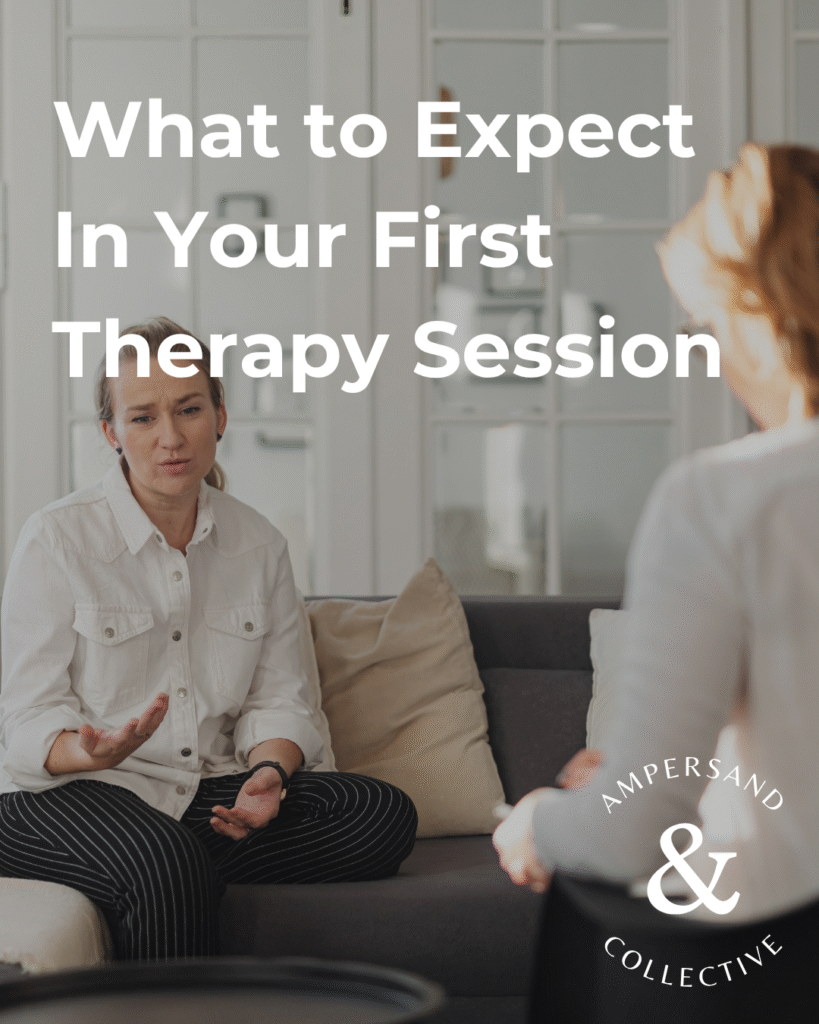
A Warm, Connected Start
At the beginning of each session we’ll work to help you settle in, whether that’s in a cozy office or through a secure video platform, our goal is that you feel secure enough to be yourself and share freely what is on your mind. There’s no rush to “get it right” or say anything perfectly. Your counseling session is all about you, and we want you to feel safe enough and supported from the start.
Exploring Your Story
In your first session you’ll share what brings you to therapy. You can share your current concerns, information about past or current relationships, and/or your inner-emotional world. With a psychodynamic approach, we’re especially curious about patterns in your life; how you relate to others, how you experience yourself, and how your past may still echo in your life today.
You might be asked questions like:
- “Have you felt this way before in other situations or relationships?”
- “What was it like growing up in your family?”
- “How do you tend to respond when someone disappoints you?”
These questions aren’t digging for drama or trying to uncover some deeply hidden secret, they’re invitations to reflect on how your thoughts, feelings, and behaviors have been shaped over time.
Understanding the Process
Before the first session ends, we will explain how therapy works, including the logistics of scheduling, making payments, and what to do if you need to cancel, as well as set expectations around confidentiality and how future sessions will go.
Psychodynamic therapy tends to be reflective and exploratory, often focusing on emotional insight and self-understanding, but can also involve developing coping skills and strategies to help you tackle challenges in your everyday life.
Sometimes people worry that they are not saying or doing the right thing, but in therapy it’s almost impossible to say the wrong thing. You don’t need to come with an agenda or list of things to talk about, unless that is helpful to you, as many times a therapy session includes:
- Free association: You’re encouraged to speak freely, even if what comes up feels random or disconnected. This can reveal unconscious thoughts or feelings.
- Identifying and exploring emotions: It can often be difficult to notice things about yourself, but in working with a therapist, you are inviting someone to help you identify ways you might be protecting yourself emotionally through certain emotional patterns, like avoiding anger and conflict or minimizing your own needs.
- Dream exploration: If you’re open to it, dreams can offer symbolic insight into your unconscious mind.
We generally let these conversations unfold naturally and you are always in the driver’s seat – you’re never pushed to go deeper than you’re ready to go.
Setting Intentions and Cultivating Space
Rather than setting rigid goals, therapy often begins with open-ended intentions. You might want to feel less anxious, understand your reactions better, or heal from past wounds. We’ll work together to begin to name what feels important, and think about a path forward that feels aligned with your desires.
Your first therapy session is the beginning of a relationship, one that’s built on curiosity, empathy, and a shared commitment to growth. It’s okay to feel unsure or even a little awkward. That’s part of starting something new.
We’re here to walk with you and work with you to create a space where you feel safe enough to be yourself. Therapy is not about fixing you—it’s about understanding you. Insight, compassion, and connection all lead to meaningful change, but it begins with a relationship built on trust.
If you’re ready to begin or have questions before scheduling, we’d love to hear from you.