
-
Healing in the Upside Down: What Stranger Things Reveals About Trauma and Growth
As a therapist, I was surprised by how deeply Stranger Things mirrors the real-life healing process, showing how trauma, relationships, and self-acceptance shape our ability to grow. But before you go any further, if you haven’t watched the final season of Stranger Things yet, you may want to skip this post until you’ve wrapped…
-
Exploring the Depths: Therapy Beyond Symptom Reduction
Therapy isn’t just for times of crisis or managing symptoms; both of these solution-focused therapies are necessary and helpful in certain seasons of our lives. However, engaging in depth work through psychodynamic psychotherapy moves beyond these “last resort” therapies and into a proactive tool for long-term wellness and personal growth and development. Shifting From…
-

Play, Paradox, and Psychotherapy: Reflections on the Transformative Potential of Therapy
Recently, I’ve been playing the solo board game Tin Helm — a small dungeon crawler that is packaged inside of a mint tin. The game consists of delving into a dungeon in search of three gems, battling monsters along the way. It relies on an interesting mechanic — do I choose to visit the location card…
-
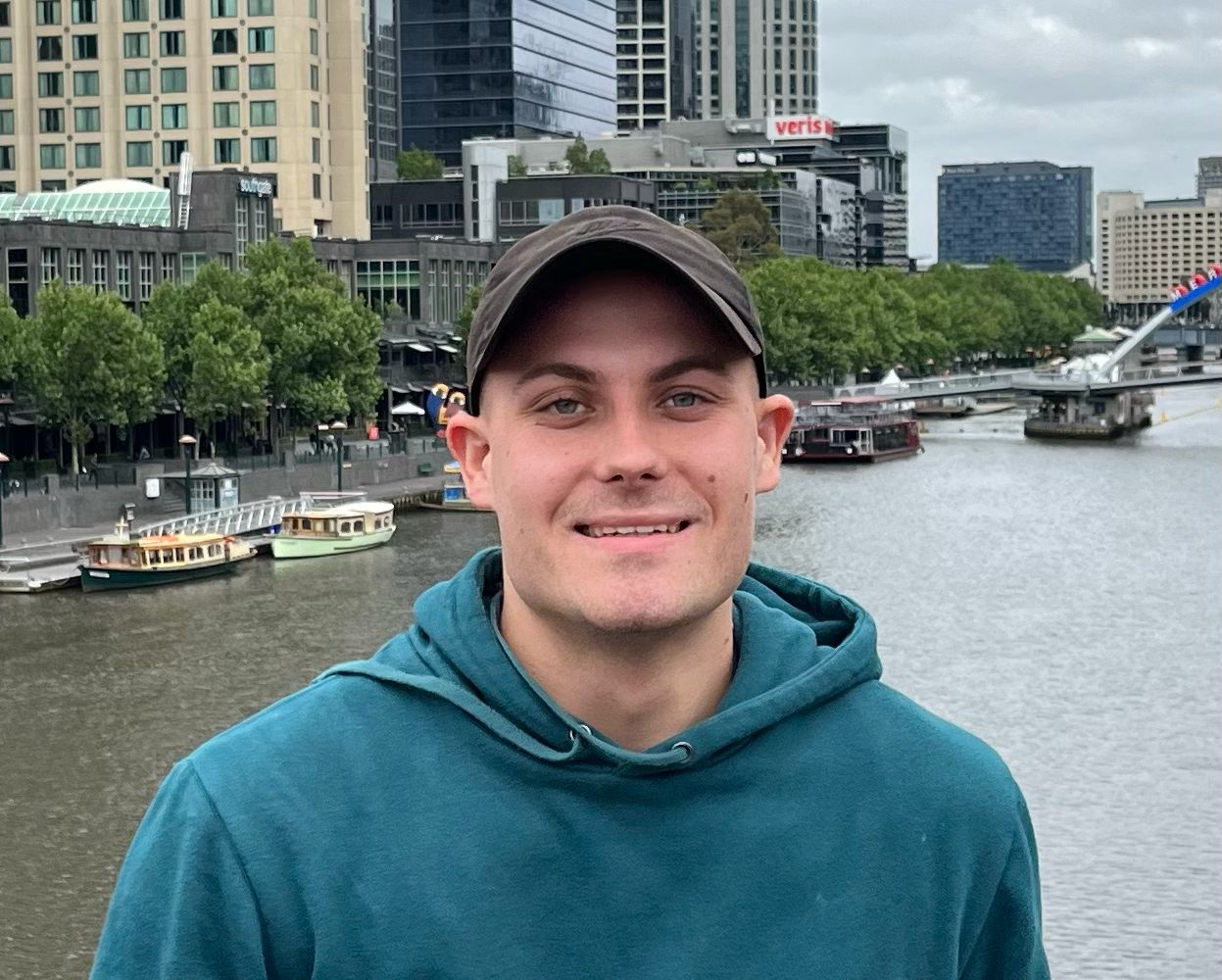
Introducing Jake Johnson
Ann and I are thrilled to announce our newest member of the Ampersand Counseling Collective: Jake Johnson! We met Jake through our therapist training at the Seattle School and are excited to continue working together ‘out in the real world.’ In light of our “Why Your Therapist Matters” series, we’ve asked Jake to introduce…
-
Why Your Therapist Matters – Part III
Last week, Maggie shared about her therapeutic orientation, building on my post from two weeks ago that explained what a therapeutic alliance is and why it’s important. This week, I’ll share about my own orientation and how it guides the work I do. Radical Self-Love in Therapy: How I Approach Healing and Growth At…
-
Why Your Therapist Matters – Part II
Last week, Ann wrote about the therapeutic alliance and why it is important to have a strong relationship of trust and safety in order for psychotherapy to be successful. Building on this “relational fit,” I want to continue the conversation on why your therapist matters by looking at your therapist’s training and theoretical orientation…
-
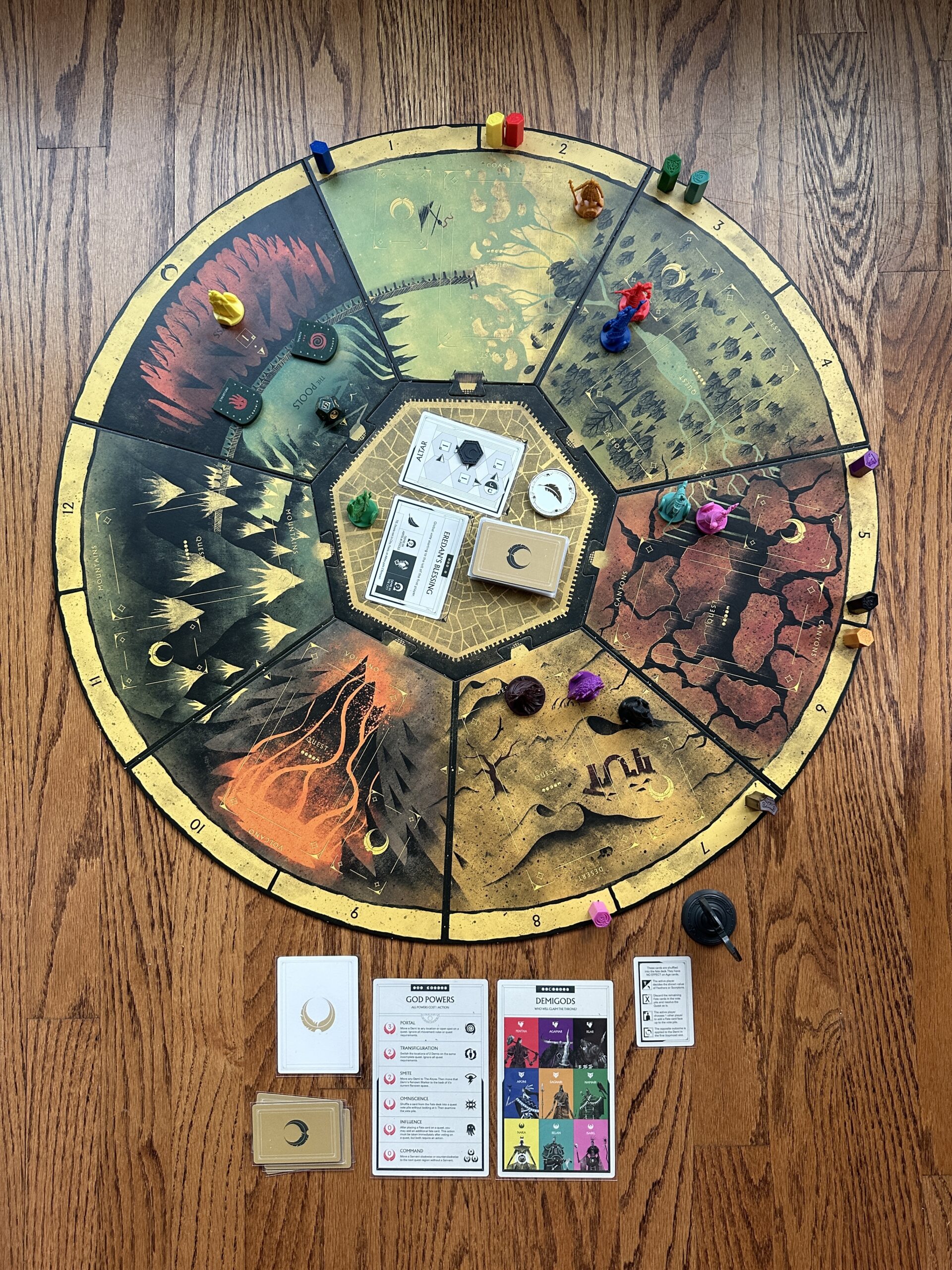
Psychoanalytic Theory through Board Games
We’re excited to share that this month Maggie had an essay published in the Board Game Academics online journal Victory Points! In her essay titled Something More: Nested Realities & Desire in Veiled Fate, Maggie explored Lacanian psychoanalytic theory around desire and ‘nested realities’ through her time playing a game of Veiled Fate. Here’s…