
Whenever I meet with a prospective patient, I share a critical piece of information: Our relational “fit” is critical to the success of their therapy.

Therapeutic Alliance
We call this the therapeutic alliance, and it is essential for good psychotherapy. This “fit” or “alliance” isn’t just about getting along with each other, it’s about establishing trust, safety, and respect, so that therapist and patient can be authentic in their interactions with each other. Without this alliance, the collaborative work of therapy falls flat and becomes a performance. There must be a genuine connection for progress to be made.
Now, this doesn’t mean that the relationship will always feel good. Psychotherapy is hard work and it is not uncommon for tensions to arise between therapist and patient. A patient may be frustrated that their therapist isn’t “giving them a straightforward answer” or irritated that their therapist is on vacation and unavailable for a few weeks, however, these are the moments that allow us to enter in together, with mutual trust, respect, and safety, to explore what is happening rather than turning away and ignoring the big feelings that are surfacing.
A therapeutic alliance isn’t always about liking the other person, it’s about feeling safe enough to be honest and vulnerable with them.
The Work of The Therapist

Research supports this claim that the fit or therapeutic alliance matters and is an indicator of therapeutic progress and patient wellbeing. It also supports the claim that fit and alliance aren’t synonyms for agreement and getting along. (If you want to learn more about this, here are two papers to consider: Better relationships with patients lead to better outcomes and The strength of alliance in individual psychotherapy and patient’s wellbeing.)
This work of collaborating and building mutual respect is a two-way street that requires both parties to be flexible and adaptive. In some ways, this is the patient’s work in therapy, to more easily be able to navigate life’s difficult moments, but it is also the work of the therapist.
Therapists are not all-knowing, perfect gurus who have everything figured out, they are also human and also must do their own ongoing work. Therapists must engage their own experiences with honesty and vulnerability, so that they can relate to their patients’ experiences thoughtfully. I briefly talk about this in a speech I gave when I received my Masters degree (which was an amazing honor to be selected by my peers to do so) and a short clip of the speech can be watched on YouTube.
Relationship and Community
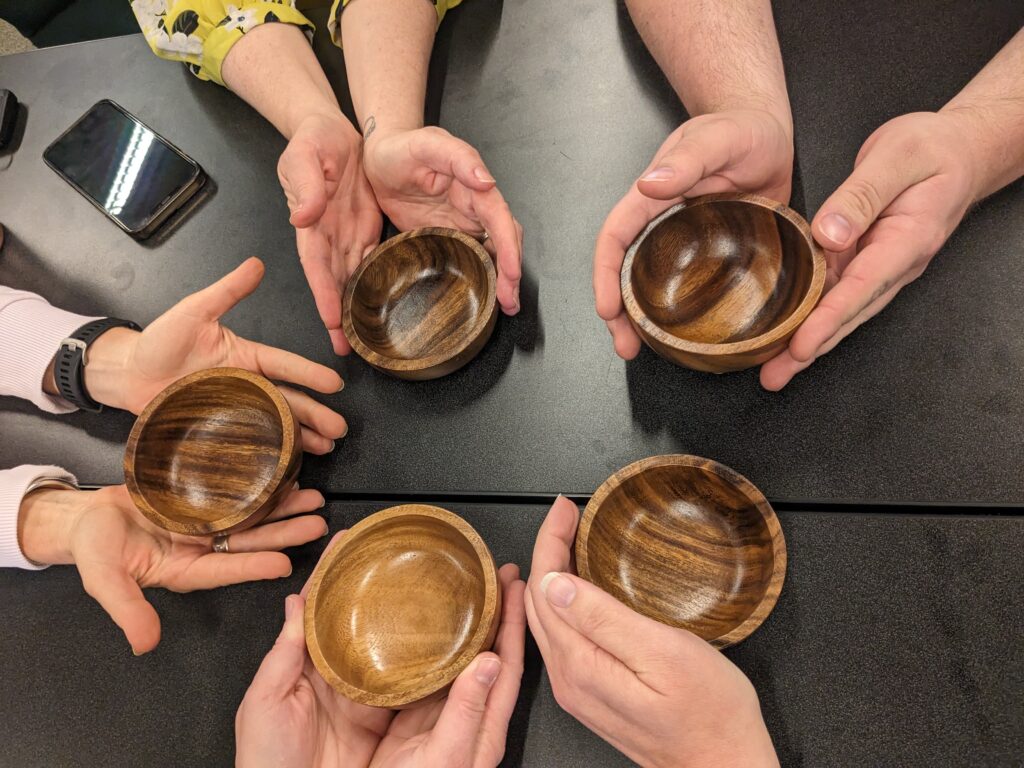
As already stated, therapy isn’t easy. It requires both the patient and therapist to commit to doing hard, reflective work, both individually, and more importantly, together. I say “more importantly,” because it is in this piece of doing the work together where we see growth.
I believe that the therapeutic alliance and patient/therapist “fit” is so critical for the success of psychotherapy because it reminds us that we are not alone. We get to experience someone caring and supporting us while also challenging us to be honest about the painful parts of our lives.
With a safe person or community by our side, the scary things feel less scary, and we learn that we don’t have to hide from them. This is true for individuals in therapy as well as therapists themselves, and why I think it is important for therapists to be in their own therapy, or at a minimum a part of a reflective consultation group.
We are better in relationship with one another and in safe communities where we can be our authentic selves.
This is why your therapist matters and why I encourage my patients to be reflective about our fit when working together. It’s important to be connected to another person, who you can be honest with, and who is not only committed to helping you do your work, but also doing their own work themselves.
If you’re wondering whether we might be a good fit, I’d love to connect.
At Ampersand Counseling Collective, we work with individuals in person in Issaquah and on Bainbridge Island, as well as online throughout Washington State.
4 responses to “Why Who Your Therapist Is Matters”
[…] week, Ann wrote about the therapeutic alliance and why it is important to have a strong relationship of trust and safety in order for […]
[…] Part I: The Therapeutic Alliance This first post explores the importance of the relationship between the therapist and the patient for the success of therapy and why it is necessary to have a good relational “fit.” […]
[…] which is why choosing your therapist is so important. (You can look back at our series on why your therapist matters). Therapy becomes a relational lab where the therapeutic relationship itself becomes material for […]
[…] between you and the therapist is one of the most impactful tools for change (which is why choosing your therapist is so important). What is happening between you in the here-and-now of therapy actually reveals a […]